Pumps are vital components of industrial and domestic systems used to move liquids. There are two main types of rotors in pumps: axial rotors and radial rotors. In this article, we will compare these two types of blades, as well as the advantages and disadvantages of each.
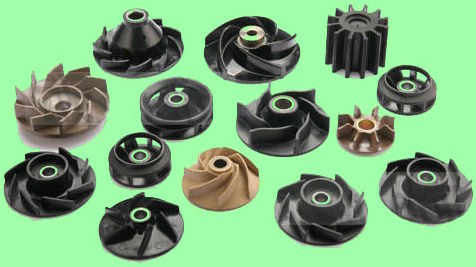
Rotary blades
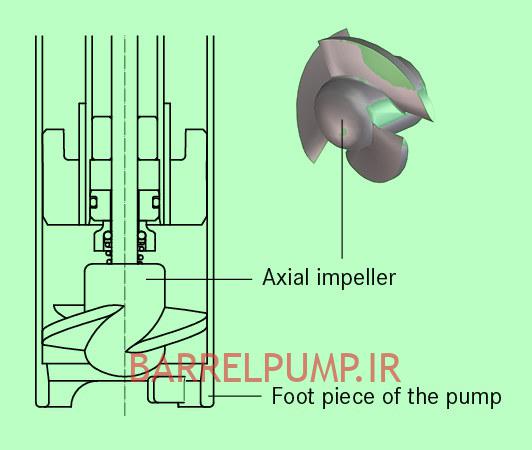
Coaxial vanes are designed to direct the flow of fluid parallel to the pump axis. These types of pumps are suitable for high flow, low pressure applications.
Advantages:
- High Flow Rate: Axial flow pumps can transport high flow rates at low pressure.
- Large Area Applications: This type of pump is used in large open areas such as power plants and municipal water supply systems.
- Reduced vibration and noise: Axial pumps produce less vibration and noise due to their special design.
Flaws:
- Less efficient at high pressure: Axial pumps are not suitable for transporting liquids under high pressure .
- Sensitivity to flow rate changes. These types of pumps are sensitive to flow rate changes, and if the flow rate decreases, their efficiency decreases.
Radial rotors
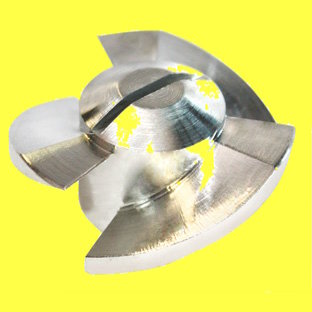
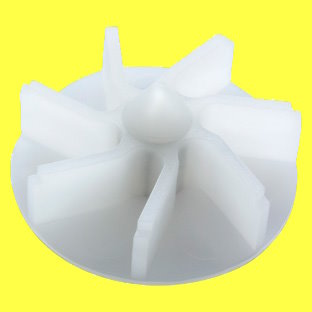
Radial vanes are designed to direct fluid flow radially from the center outward. These types of pumps are suitable for high pressure, low flow applications.
Advantages:
- High efficiency at high pressure: Radial pumps can pump liquids under high pressure.
- Small Space Applications: This type of pump is used in small and confined spaces such as hydraulic systems and fire pumps.
- Stability at low flow rates. Radial pumps are also highly efficient and stable at low flow rates.
Flaws:
- Low flow rate: Radial pumps typically handle lower flow rates than axial pumps.
- Create vibration and sound. These types of pumps produce more vibration and sound due to their special design.
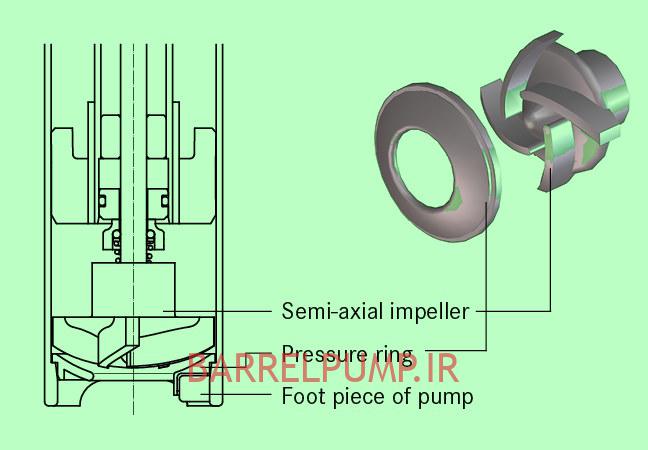
Application of axial and radial rotors
Rotary blades:
- Power plants: to supply cooling water to turbines.
- Urban water supply systems: for transporting water to different areas.
- Oil and gas industry: for transporting liquids with high flow and low pressure.
Radial blades:
- Hydraulic industry: for transporting hydraulic oil in high pressure systems.
- Fire pumps: for supplying water under high pressure to fire hoses.
- Air conditioning systems: for transporting refrigerants under high pressure.
Choose between axial and radial blades.
The choice between axial and radial rotors depends on the type of application and specific needs. For high flow and low pressure applications, axial pumps are a good choice. But for high pressure and low flow applications, radial pumps are more suitable.
In addition, other factors such as cost, maintenance, and service life also play a role when choosing a pump. Axial pumps typically have a higher initial cost but require less maintenance. On the other hand, radial pumps typically have a lower initial cost but require more maintenance and repair.
conclusion
Both axial and radial knives have their advantages and disadvantages, and the choice between them depends on the type of application and specific needs. Finally, by carefully considering the needs and environmental conditions, you can choose the best option for each application. Improved energy consumption and reduced costs are also benefits of choosing the right pumps , which can help improve system performance and conserve natural resources.
Our lives depend heavily on industrial technologies and equipment, and the right choice of this equipment can have a significant impact on the quality of life and environmental protection. By carefully choosing and optimizing energy consumption, we can help build a better and more sustainable future.