Drum pumps are efficient tools for transferring liquids from drums, tanks, and large containers. These pumps are widely used in industries such as chemical, pharmaceutical, food, and oil and gas. Due to direct contact with hazardous or flammable liquids, safety and electrical testing are essential. These tests not only ensure user safety but also prevent premature failure, sparking, leaks, and other potential hazards in sensitive environments.
This article provides a detailed introduction to cylinder pump safety and electrical testing, explaining standards, implementation methods, and key points of each step.
The importance of checking the integrity of a cylinder pump
Drum pumps are typically used in special environments, such as those containing corrosive chemicals, flammable liquids, or explosive gases (Zone 1 or Zone 2). In such environments, any design or operating error in the pump can result in personal injury, equipment damage, or even a serious workplace accident.
Safety tests are performed before commissioning and during periodic inspections to ensure the proper functioning of mechanical components and protective devices. These tests include insulation, ground fault protection, emergency stop systems, leakage monitoring, and mechanical protective devices.
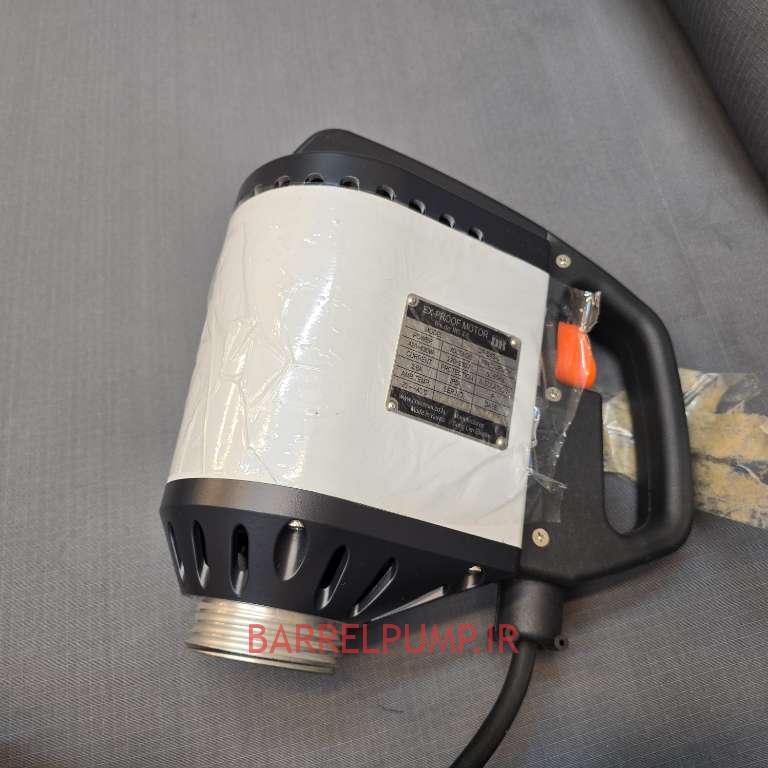
Electrical testing of cylinder pumps
Many drum pumps are equipped with electric motors (either electric or pneumatic with electric control). Therefore, electrical tests are necessary to ensure the integrity and proper operation of the electrical components. Key electrical tests include:
1. Insulation resistance test
This test is performed using a megohmmeter. It measures the insulation resistance between the motor windings and the pump housing. The insulation resistance value should be within the specified range (usually greater than 1 megohm). Low insulation resistance may indicate damaged winding insulation or moisture in the motor.
2. Checking the integrity of the grounding
Proper and reliable grounding is critical for electric pumps. This test checks the ground resistance, which should be below the permissible value (normally less than 0.1 ohms). This test prevents the risk of electric shock in the event of a current leak.
3. Leakage current test
This test determines the leakage current that could pose a risk of electric shock. The leakage current must be below the value specified in safety standards such as IEC 61010 or IEC 60335. An increase in the leakage current indicates damage or deterioration of the insulation.
4. Motor function test
During this phase, the motor is operated under load, and its characteristics, such as speed, noise level, vibration, and operating temperature, are checked. The integrity of control and protection systems, such as overload protection and thermostats, is also checked.
5. Check polarity and direction of rotation
For three-phase pumps, the motor’s direction of rotation must match the pump design. Reverse rotation may damage the impeller or cause fluid to leak. To check the direction of rotation, connect the motor to a power source and check the direction of rotation visually or use a direction indicator.

Machine safety testing
In addition to electrical tests, mechanical tests are also required to assess the integrity of the cylinder pump. These tests include:
1. Check the emergency stop system.
Pumps permanently installed in liquid supply lines must be equipped with an emergency stop switch. To ensure proper operation, this system must be tested.
2. Leak test
During this test, the pump is pressurized and connections, shafts, and seals are checked for leaks. When pumping corrosive or flammable liquids, leaks are extremely dangerous and must be repaired immediately.
3. Check the shaft and blade guards (guard test)
If rotating parts are within the operator’s reach, protective devices must be installed. These must be tested for proper functioning and prevent the penetration of foreign objects or hands.
4. Check the chemical resistance of the material.
Drum pumps must be made of materials compatible with the fluids they are used in. To achieve this, polymers, metals, and sealing materials are tested for their compatibility with the fluids used.
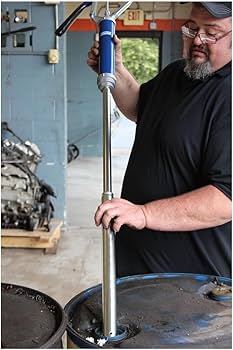
Standard samples
The following international standards can be used for the electrical and safety testing of cylinder pumps:
-
IEC 60335-1 : General safety requirements for household and industrial electrical appliances
-
IEC 61010 : Safety requirements for measuring and control equipment
-
IEC 60034-1 : Technical and safety requirements for electric motors
-
ATEX Directive 2014/34/EU : Requirements for equipment used in potentially explosive atmospheres
-
NFPA 70 (NEC) : Industrial Wiring Code
CANBUILT Electric Oil Cylinder Pump
Repeat the test regularly.
Safety and electrical checks should be performed regularly according to the preventive maintenance program. Check intervals depend on operating conditions and the type of hydraulic fluid. In corrosive or humid environments, check intervals should generally be shortened (e.g., every 6 months).
Finally
Despite their simple design and widespread use , drum pumps can pose a hazard if proper electrical and safety testing is not performed. Accurate testing, documentation of results, and compliance with relevant standards are critical to improving safety, extending equipment lifespan, and reducing environmental risks. Companies and industrial facilities should take these issues seriously and commission experienced professionals to conduct such testing.