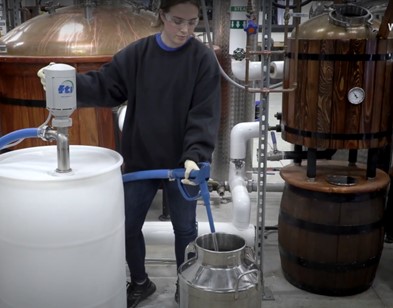
Drum pumps , also known as liquid transfer pumps, are indispensable devices for the safe and easy transfer of liquids from tanks, drums, and large containers. They are widely used in the chemical, food, pharmaceutical, petroleum, and automotive industries. Due to the nature of the liquids being pumped (often hazardous, corrosive, or expensive), quality control of drum pumps is crucial for their safety, efficiency, durability, and customer satisfaction.
This article explains the processes, standards, procedures and quality control requirements for the production, procurement and operation of drum pumps.
Introduction to the barrel pump
A drum pump is a device for pumping liquids from a vertical container (usually a 200-liter drum). These pumps typically include the following components:
-
long hose for suctioning water
-
Impeller pump or internal pump (centrifugal, rotary or piston pump)
-
Water drain pipe
Pump design and materials vary depending on the type of liquid (acidic, corrosive, viscous, flammable, etc.). This diversity necessitates quality control of these devices according to specific technical and safety standards.
The importance of quality control for tank pumps
 Ensuring proper operation: Improper operation of the pump can lead to leaks, equipment damage, production downtime, and even accidents.
Extending pump lifespan: By using the right materials and careful design, premature wear of the parts can be prevented.
Operator and workplace safety: Poorly designed pumps can cause dangerous chemical leaks or explosions.
Compliance with industry standards and regulations: In sensitive industries such as pharmaceuticals, food processing, or the manufacture of hazardous substances, compliance with international standards is essential.
Steps for quality control of a barrel pump
1. Monitoring of raw materials (material testing)
The first step in ensuring the quality of tank pumps is the use of standard raw materials:
-
Testing the chemical and mechanical composition of metals (stainless steel, polypropylene, PVDF, etc.).
-
Testing of certificates and materials (factory test certificates)
-
Corrosion resistance, pressure resistance and resistance to operating temperatures
The use of inferior or inadequate materials can lead to rapid cracking, leakage, or corrosion of the pumps.
2. Process quality control
During the manufacturing process, technical inspectors must check the quality of the assembly, welding, sealing, and component installation. Here are some key points:
-
Checking the wall thickness of the suction pipe
-
Make sure the shaft is smooth and has no play.
-
Checking the tightness of sealing rings and seals.
-
Check that the connections of the motor and pump are correct.
-
Check the plastic and metal parts for cracks or damage.
3. Performance tests
Each reservoir pump must successfully pass a functional test after final assembly:
-
Flow test: Checks the amount of liquid delivered per minute.
-
Pressure test: Checking the outlet pressure under maximum load.
-
Leakage test: Check that the pipes, connections and pump housing are leak-proof.
-
Energy consumption test: Measures the motor’s energy consumption and overall efficiency.
4. Safety and electrical tests
When using electric or pneumatic pumps, the following safety aspects must be observed:
-
Testing the electrical insulation of motors
-
Check the safety switch or thermal fuse.
-
Spark-free test ( suitable for safe environments)
-
Make sure the cables and connections are secure.
Pumps require special approval in potentially explosive atmospheres (ATEX).
5. Visual inspection
Visible defects may indicate a manufacturing or delivery error. Please check the following:
-
Abrasions or bone fractures on the body
-
The condition of the car’s paintwork or bodywork
-
No oil or contaminants
-
Packaging and labeling conditions
6. Document review
To ensure product quality, the following documents must be checked and registered:
-
Installation and Maintenance Manual
-
Quality Control Certificate (QC Certificate)
-
Performance test certificate
-
Diagram of a bomb explosion
-
CE, ISO or ATEX certificates can be provided upon request.
Quality control requirements from a consumer perspective
When purchasing pumps for industrial applications, the following points should be taken into account:
-
Does the manufacturer have a quality management system certificate (ISO 9001)?
-
Did the water pump pass the performance test?
-
Are the pump materials compatible with the type of fluid?
-
Is there customer service, repair options, and spare parts available?
-
Are there up-to-date user manuals available in the relevant language?
The role of external testing organizations in the quality control of reservoir pumps
For particularly important or export projects, an external testing and inspection body (TPI) such as SGS, TÜV, or BV is required. These bodies:
-
Confirmation of pump testing procedures
-
They are responsible for monitoring the production and assembly process.
-
They will issue an official confirmation of the delivery of the goods.
This measure will significantly increase consumer confidence in the quality of water pumps.
Relevant quality control standards for drum pumps
These pumps were designed according to specific international standards and their quality is controlled according to these standards:
| standard | region |
|---|---|
| ISO 5199 | Design of industrial centrifugal pumps |
| ISO 9906 | Pump performance test |
| ATEX order | Equipment used in potentially explosive atmospheres |
| CE marking | Occupational health and safety requirements in the European market |
| ANSI/ASME B73.1 | Standard industrial pumps used in chemical processes |
In conclusion
Quality control of storage pumps is not only a technical requirement, but also a guarantee for safe and efficient operation. From material selection to final testing and certification, a detailed and documented process is necessary. Technical inspection, performance testing, compliance with standards, and cooperation with external certification bodies ensure the longevity and safety of these pumps.
Using uncertified, cheap, or unknown water pumps can lead to significant hidden costs, such as premature failure, serious leaks, and even injuries. Therefore, choosing a reputable supplier, verifying their quality control protocols, and trusting established brands is the best way to protect your investment and ensure your safety.